Chung Lab News
MAP technology featured in Tech Crunch
This new brain-scanning technique is literally mind expanding
Sometimes it’s hard to tell the difference between science and technology ó almost all the time when it has to do with the brain. But this research from MIT that allows for vastly improved scans of the networks inside the brain is too cool to pass up, whether it’s tech, science, or somewhere in between.
Getting up close and personal with neurons and other brain cells is a science that people have been working on for a century and more. Mainly the problem is that they’re so darn small, and packed so tightly, and connect in so many places at once, that it’s hard to tell where anything’s going. We have ways of imaging the brain at various levels, but each is highly limited in its own way.
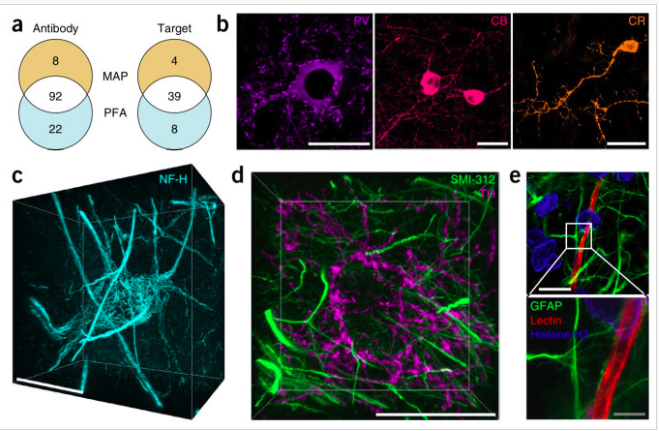
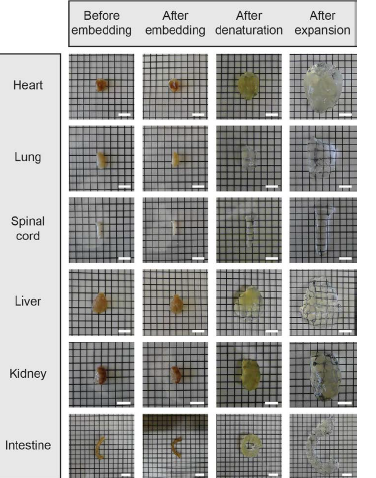
This new technique addresses several of the main problems. It’s called magnified analysis of proteome, or (conveniently) MAP. The summary from lead researcher Kwanghun Chung makes it sound almost too good to be true.
“We use a chemical process to make the whole brain size-adjustable, while preserving pretty much everything,” Chung says in an MIT news release. “We preserve the proteome (the collection of proteins found in a biological sample), we preserve nanoscopic details, and we also preserve brain-wide connectivity.”
Whole-brain Imaging Insight Article Published in eLIFE
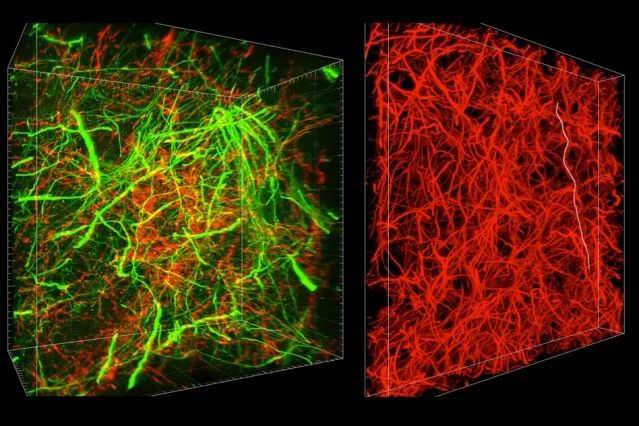
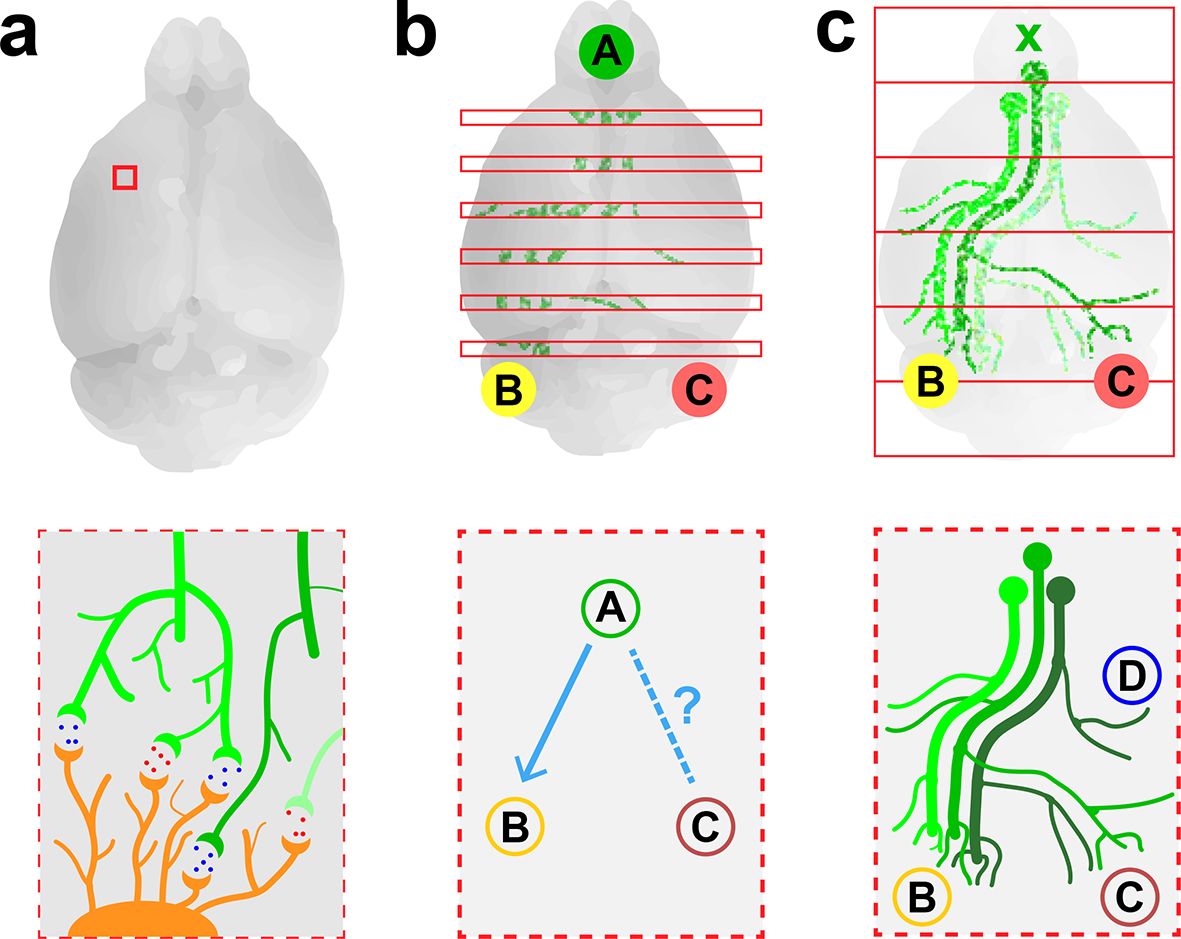
Advances in microscopy and sample preparation have led to the first ever mapping of individual neurons in the whole mouse brain.
SWITCH paper published in Cell
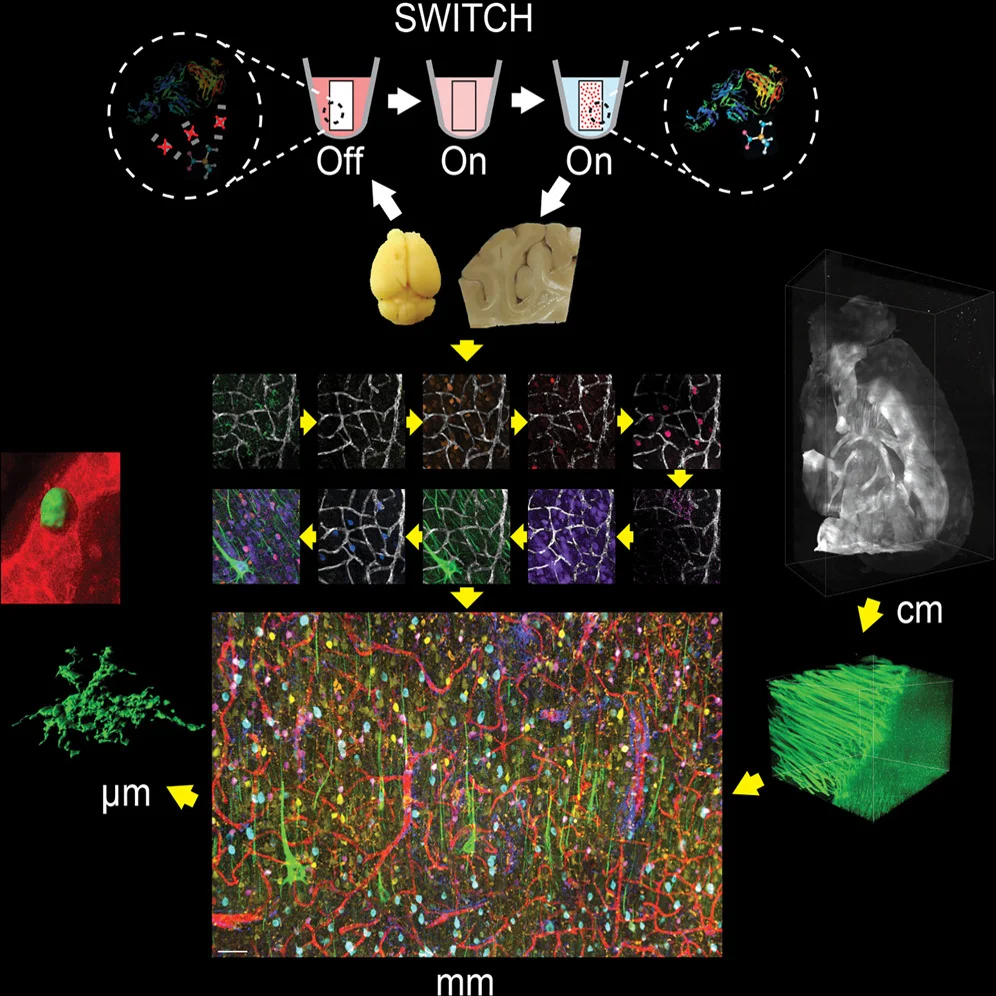
The Chung Lab published a paper in Cell, introducing a simple method for multiple rounds of relabeling yielding multiplexed proteomic imaging.
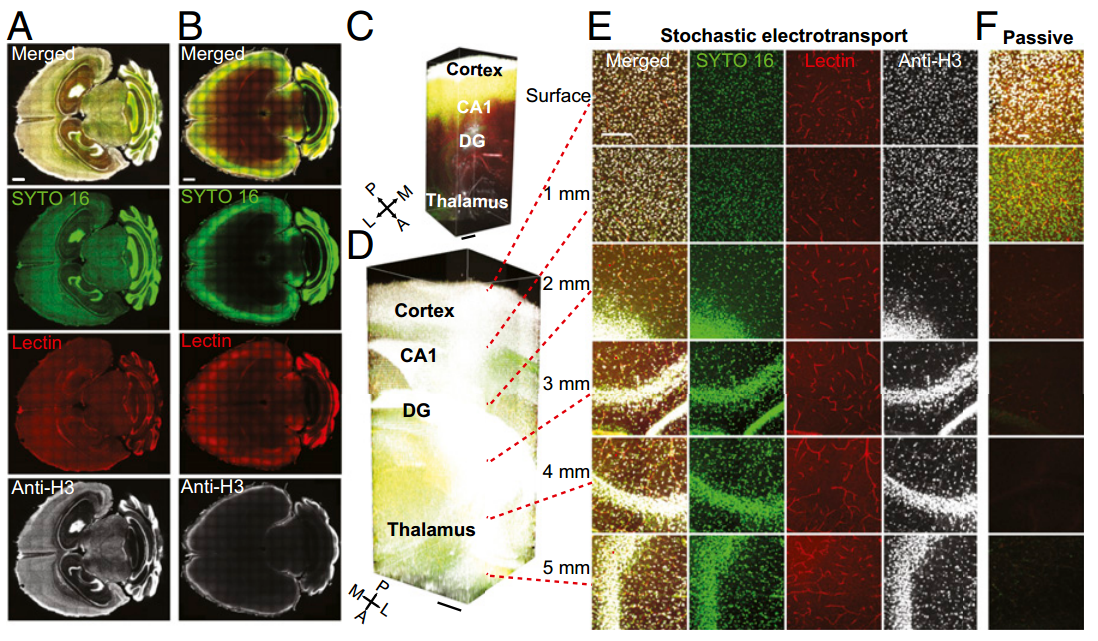
Stochastic Electrotransport paper published in PNAS
The Chung Lab published a paper in PNAS, introducing a new transport method to non-destructively and rapidly transport chemicals into and out of tissues.
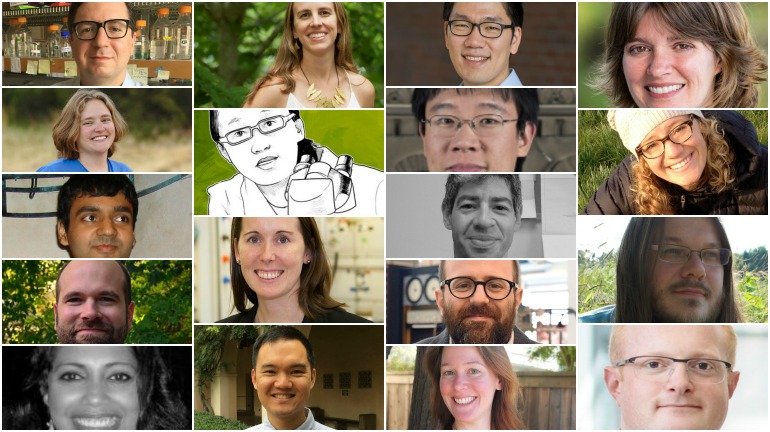
Kwanghun Chung awarded Packard Fellowship
The David and Lucile Packard Foundation named 18 of the nation’s most innovative early-career scientists and engineers as recipients of the 2015 Packard Fellowships for Science and Engineering. Each Fellow will receive a grant of $875,000 over five years to pursue their research.

Sung-Yon Kim Receives Donald B. Lindsley Prize in Behavioral Neuroscience
The Society for Neuroscience (SfN) will award the Donald B. Lindsley Prize to Sung-Yon Kim, PhD, of the Massachusetts Institute of Technology. Supported by The Grass Foundation, the prize recognizes an outstanding PhD thesis in the area of general behavioral neuroscience.
Fifteen MIT scientists receive NIH BRAIN Initiative grants
Today, the National Institutes of Health (NIH) announced their first round of BRAIN Initiative award recipients. Six teams and 15 researchers from the Massachusetts Institute of Technology were recipients.
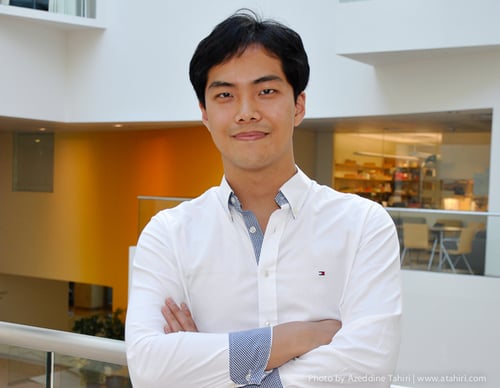
Sung-yon Kim named a Simons Fellow of the Life Sciences Research Foundation
The Life Sciences Research Foundation is please to announce recipients of three-year postdoctoral fellowships beginning August 2014.
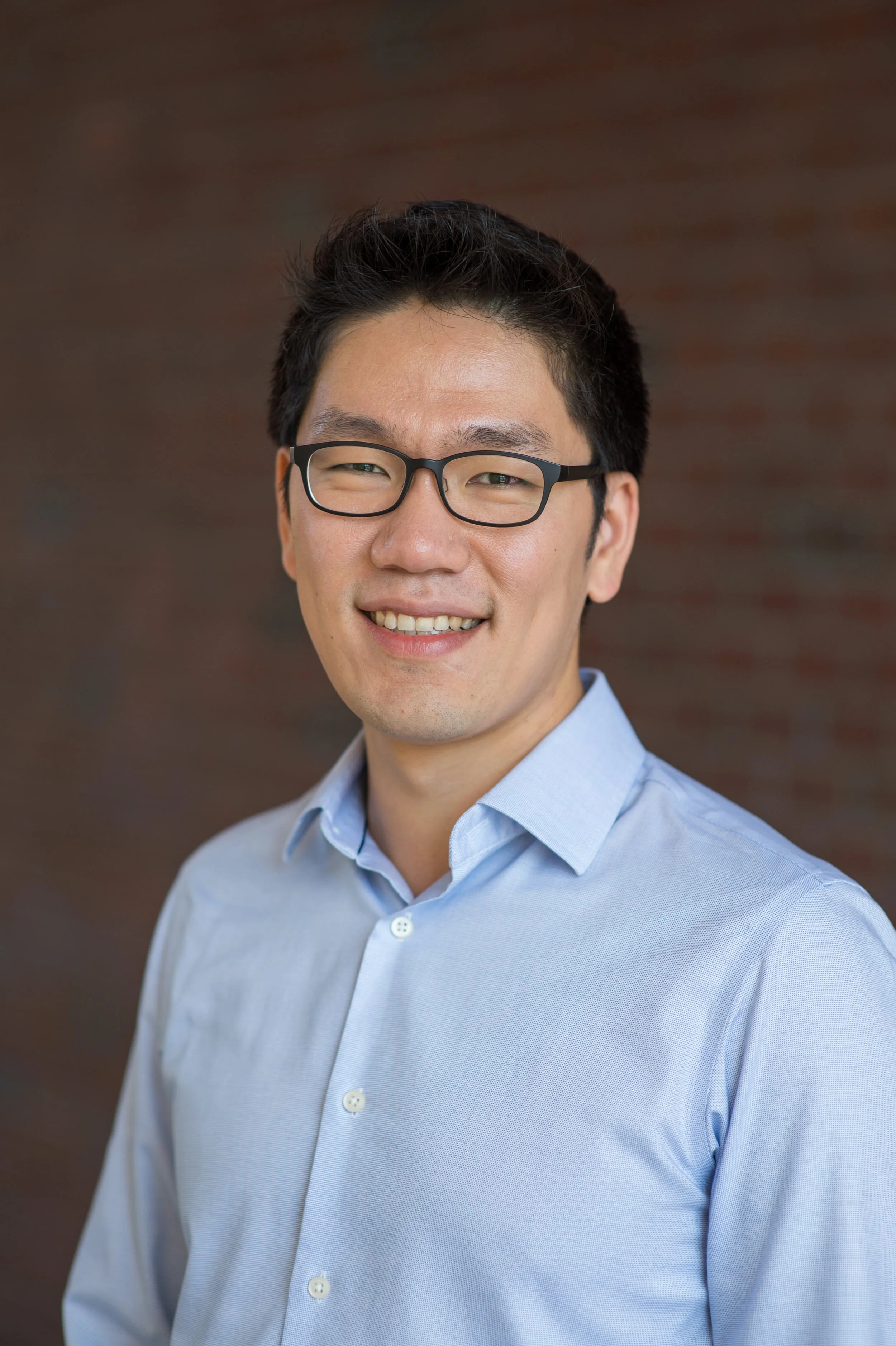
Prof. Kwanghun Chung Named to Cell 40 Under 40
To celebrate 40 years of Cell, we invited 40 scientists from around the world and working in diverse biological fields—all under the age of 40—to talk about science, their personal philosophies, the joys and challenges of research, and their lives away from the bench.

Prof. Kwanghun Chung Selected as 2014 Searle Scholar
The Searle Scholars Program makes grants to selected universities and research centers to support the independent research of exceptional young faculty in the biomedical sciences and chemistry.